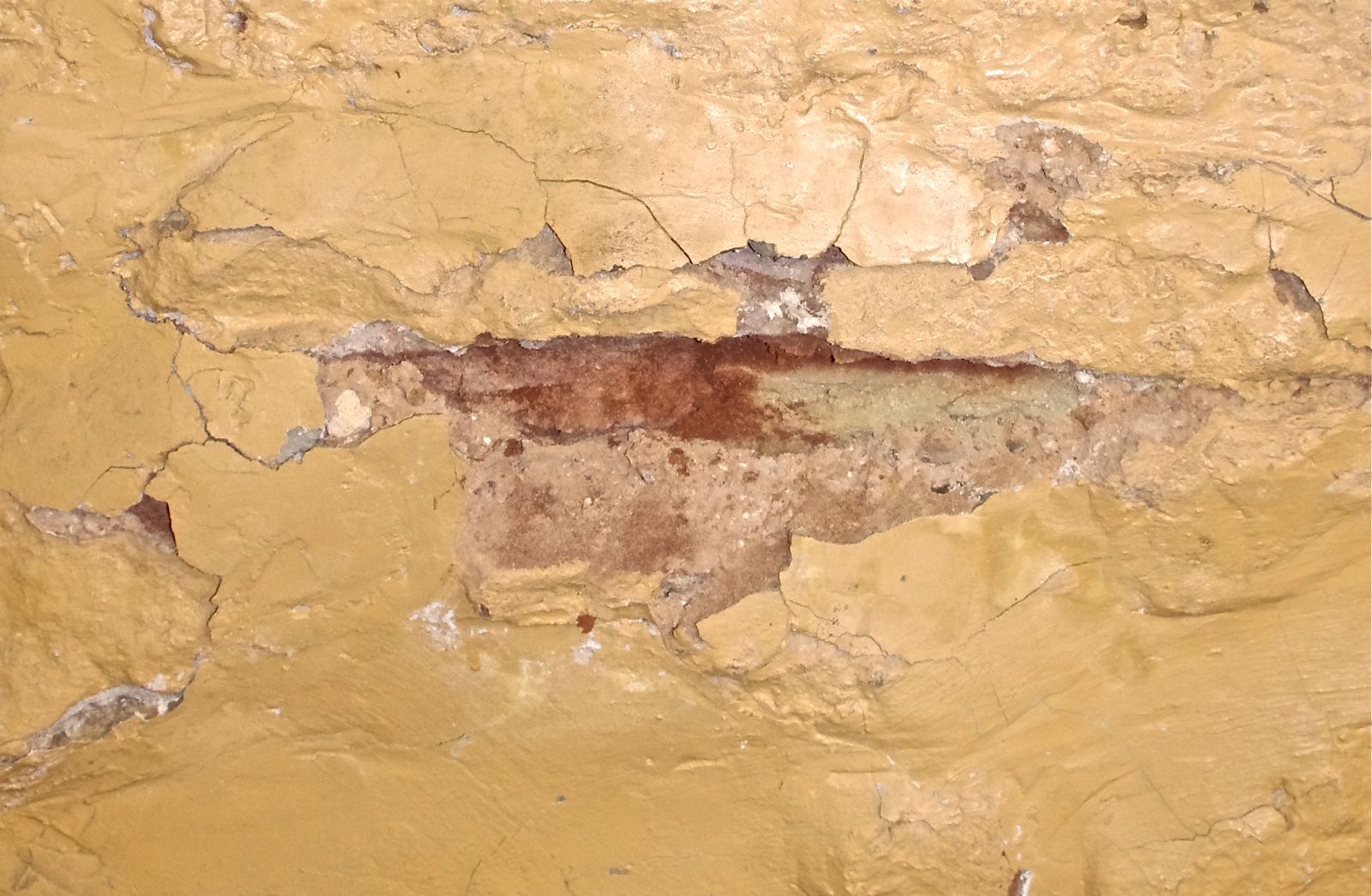
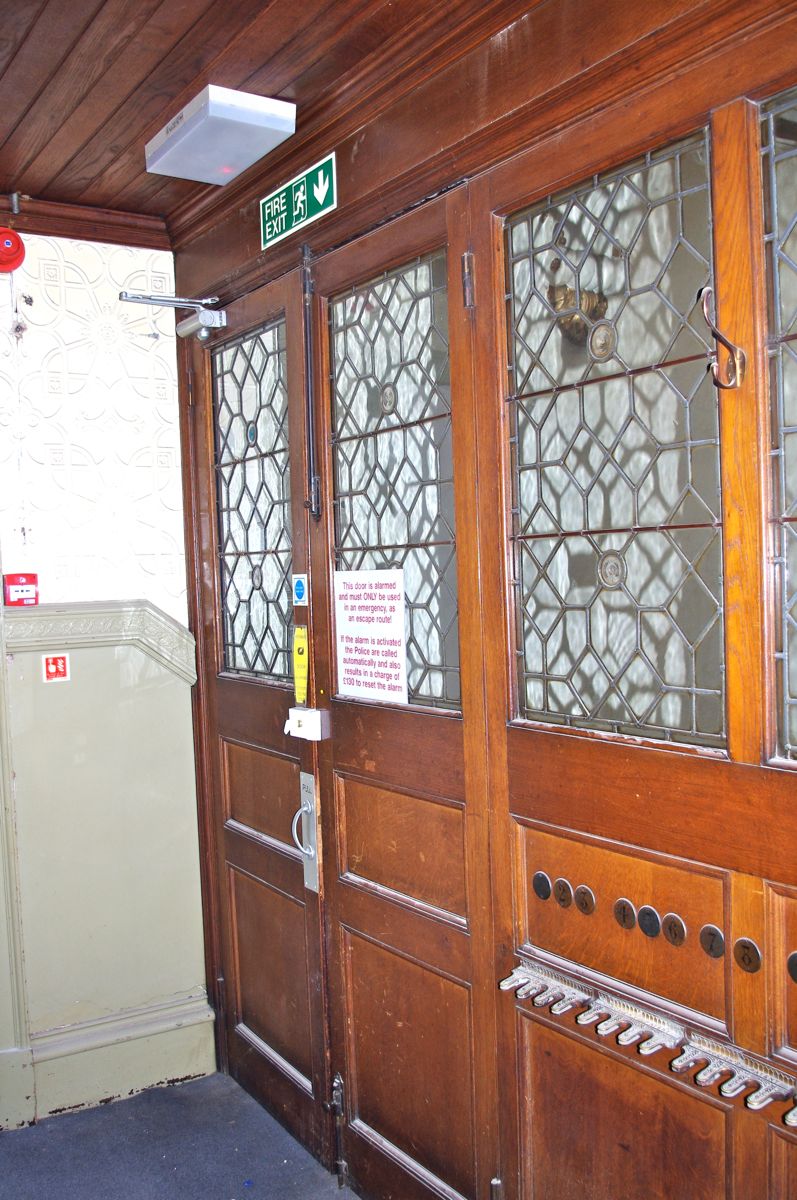
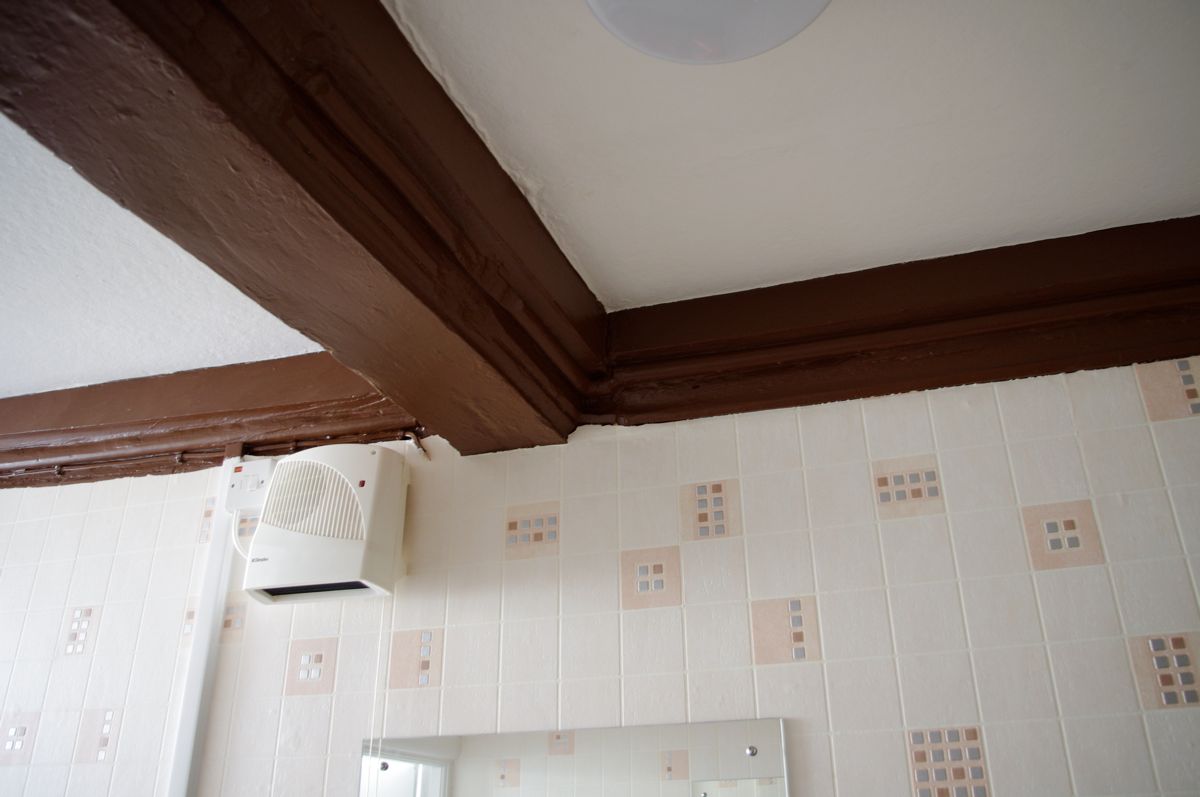
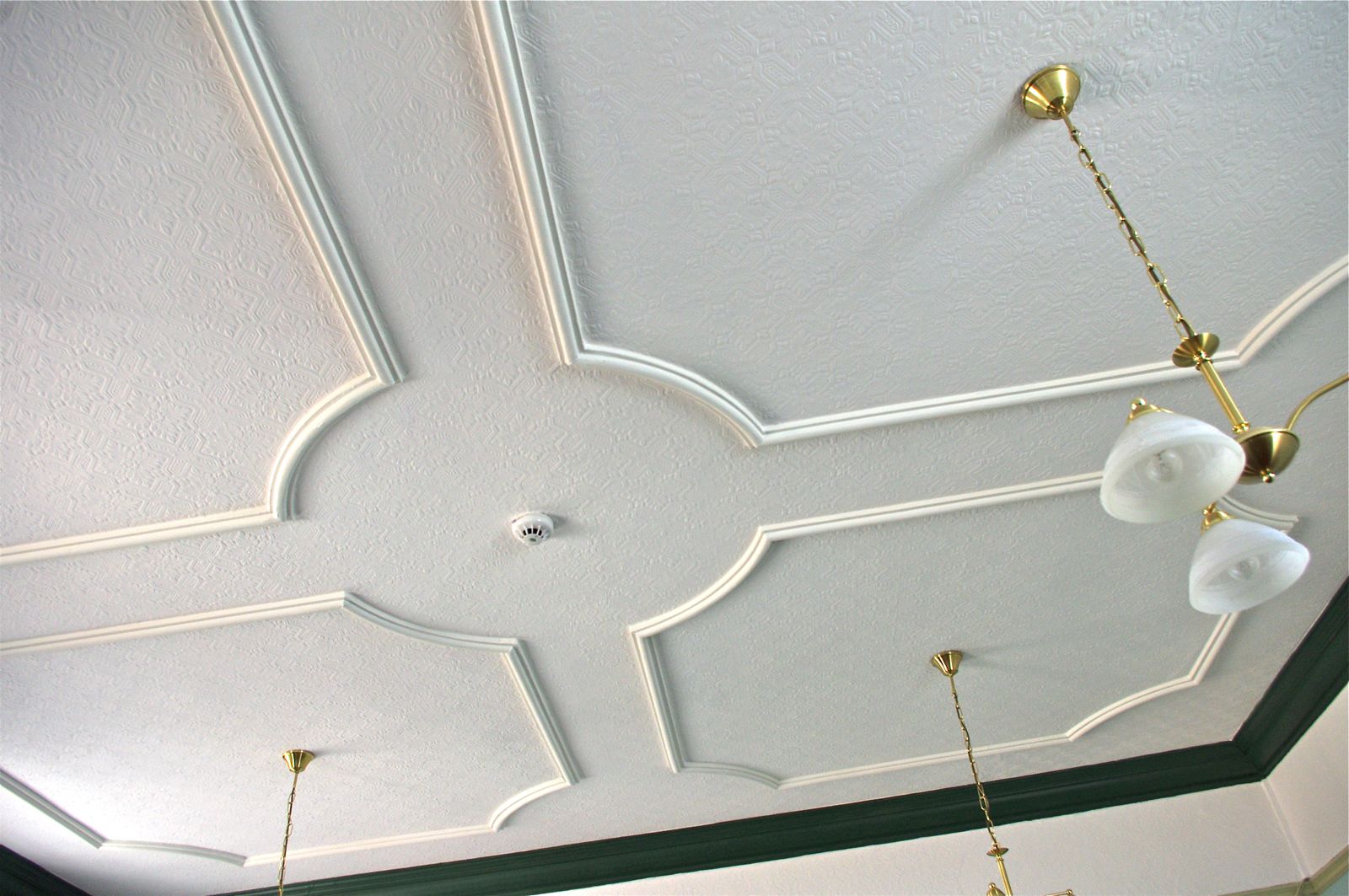
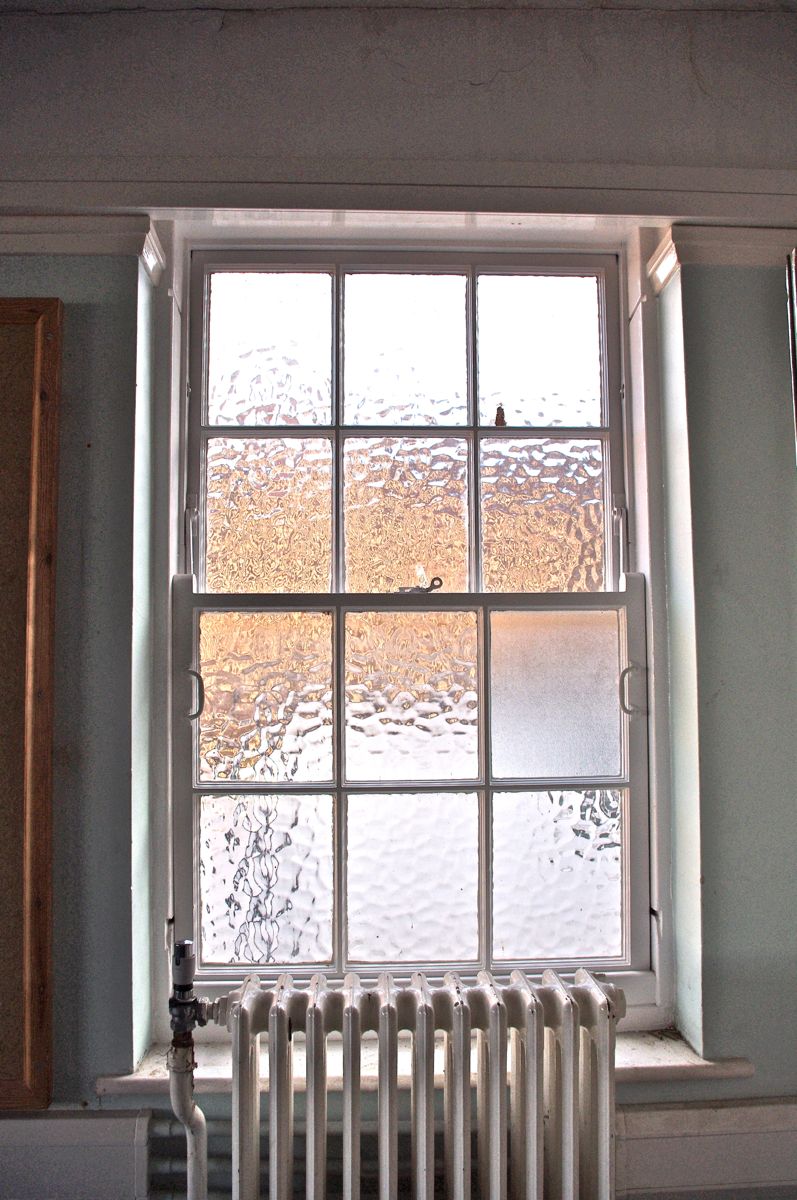
Town Hall 2012. Additional railings + ramp, painted lettering Bridgwater Town Hall on parapet (2010)Town Hall group, looking north-west1950s Moderne building to east (right) of Town Hall, not listedNo 34 High Street by Richard Carver, shop below on corner, Town Clerk’s Office on left, Town Council rooms on first floor, disused offices 2nd floor, attic rooms above parapetKing-post truss roof with glazing aboveRegency blind and roller, first floor window, found during restoration 2010Regency blind discovered during restoration. The upper panes of thesewindows have been blacked-out.Detail of window above main doors from left-hand portico roofVestibule doors and screen Town HallVestibule screen and dado panelling Town HallCharter Hall (wrongly given as Mayor’s Parlour) on right of TH entrance looking southCharter Hall on right TH entrance north wallCharter Hall east wallCharter Hall west wallCharter Hall west wall detail of Royal Crest, date not yet determinedDouble doors to Concert Hall.Double doors to Concert Hall – detail. Cannot see “11 consoles); two certainly, and four if you’re counting the scrolls. Shame about the disfiguring heater!Concert Hall (1) Crested fireplace centre.Concert Hall (2 Crested fireplace to left as seen with main entrance doors to right. Pierced CI skirting panels present, though electric radiators above.Concert Hall (3)Staircase rising from behind the stage to upper floors design as upper stairs in No 34 probably by Richard Carver 1820Town Hall basement showing flagstoned floorWest Basement masonry wall, Town HallWest basement wall Wembdon sandstone and pink coarse mortar ; Lias limestone above & below; in Bridgwater, typically medievalEast basement wall below concert hall, stone construction; red Wembdon sandstone and grey Lias limestone
Former Council Chamber
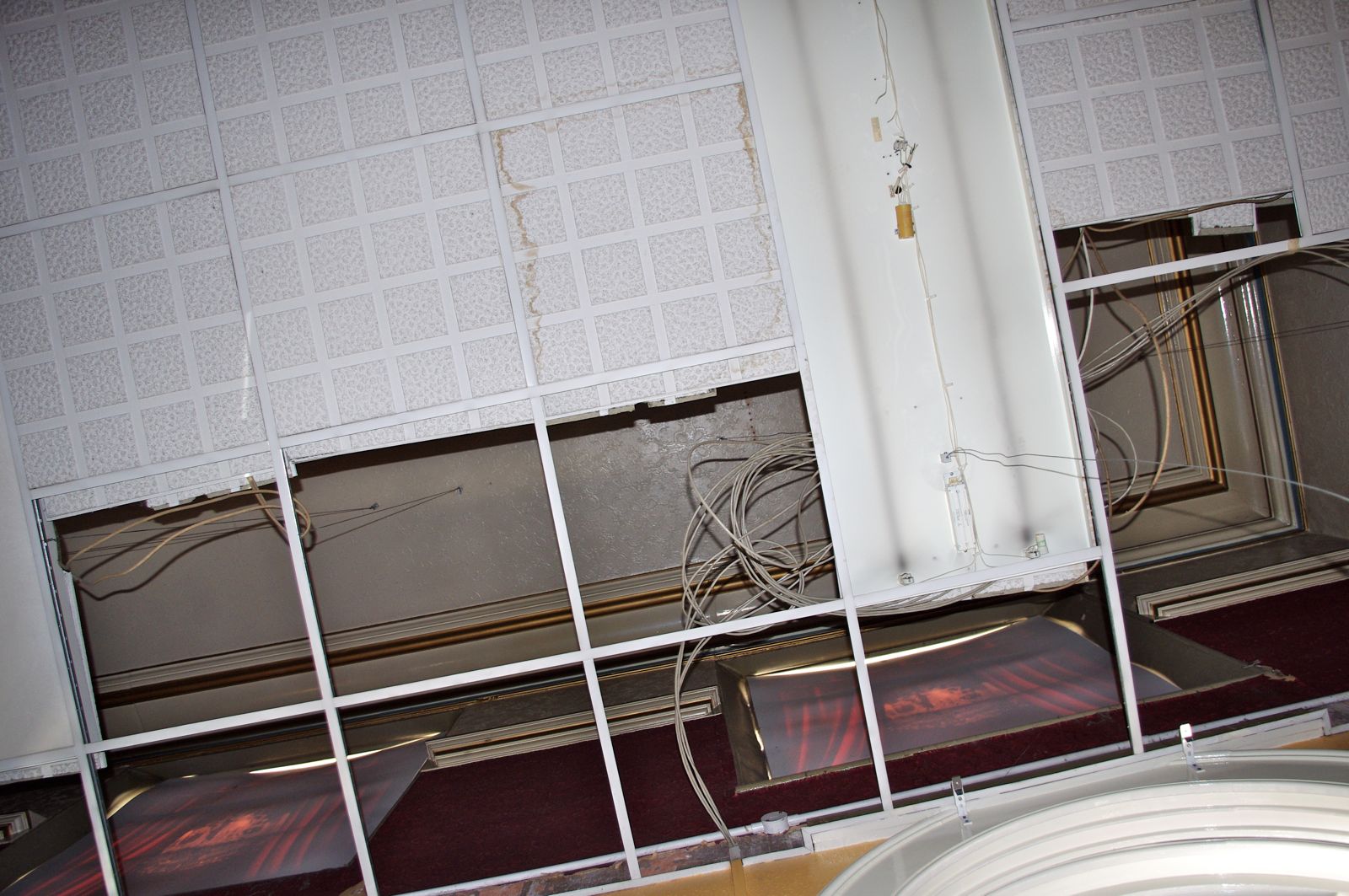
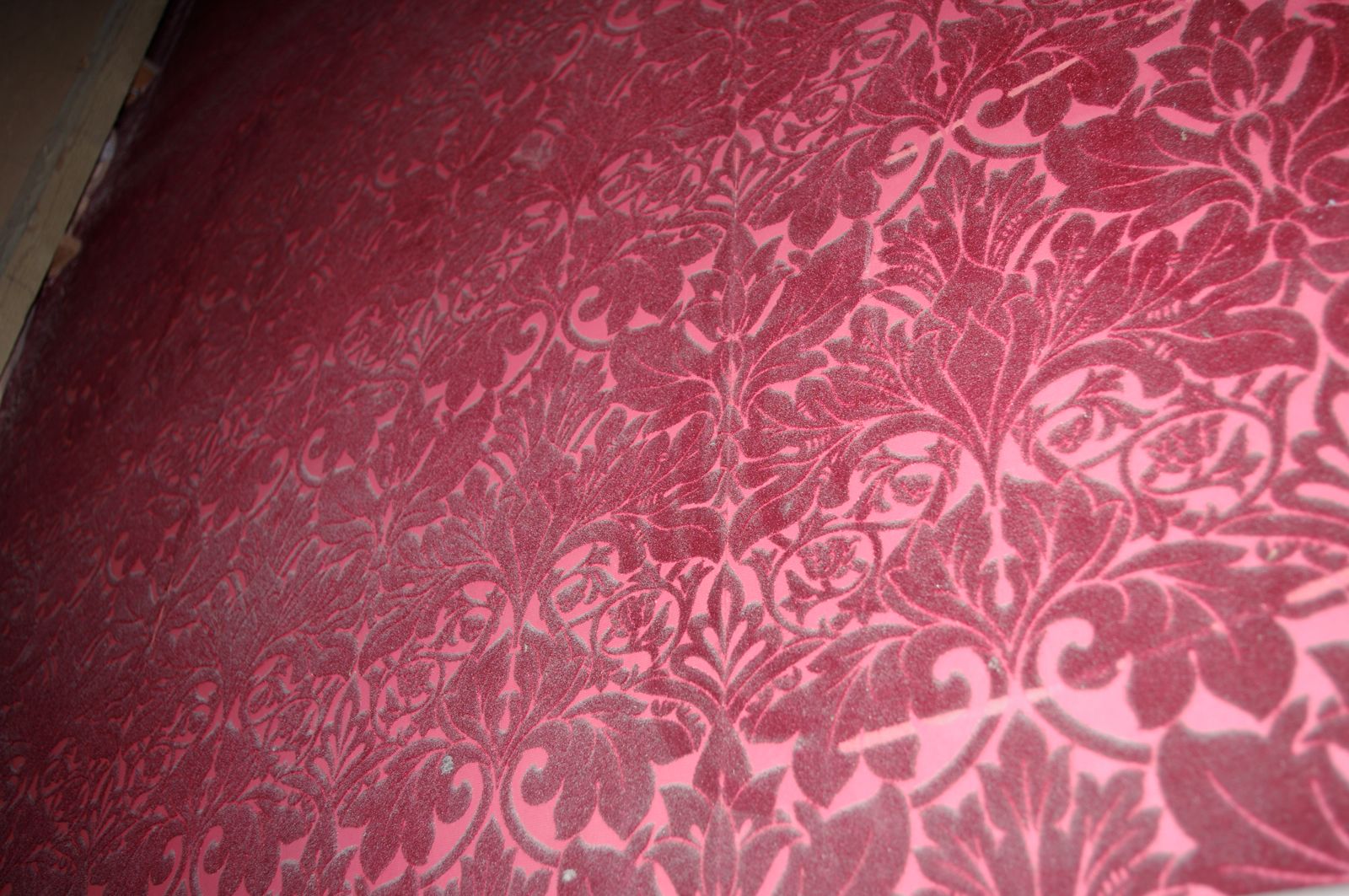
Main stairs Town Hall as listing particularsInterior of screen at top of first flight main stairs Town Hall (not mentioned in listing particulars)Vestibule beyond screen lincrusta above dado railCouncil Chamber 2012 looking south-eastCouncil Chamber 2012 looking eastCouncil Chamber in 1969Council Chamber 2012 looking south 6-panelled door remainsCouncil Chamber probably c. 1952.The rich panelling and carved ornate canopy over the Mayor’s seat have all been removed, but components survive in private ownership.Council Chamber 2012 moulded cornice with gold band to high ceiling above false ceilingCouncil Chamber 2012 moulded cornice with gold bandCouncil Chamber 2012 lincrusta (?) on celing plus blue & gold edge to ceiling mouldingNorth end Ornate ceiling rose above suspended ceilingSouth end ornate celing roseNorth-east corner above trapdoor showing intact cornice and curved north wallflock wallpaper exposed above trapdoorCurved section of intact cornice along north wall and edge of central ceiling rose on right
Bailiffs’ Room
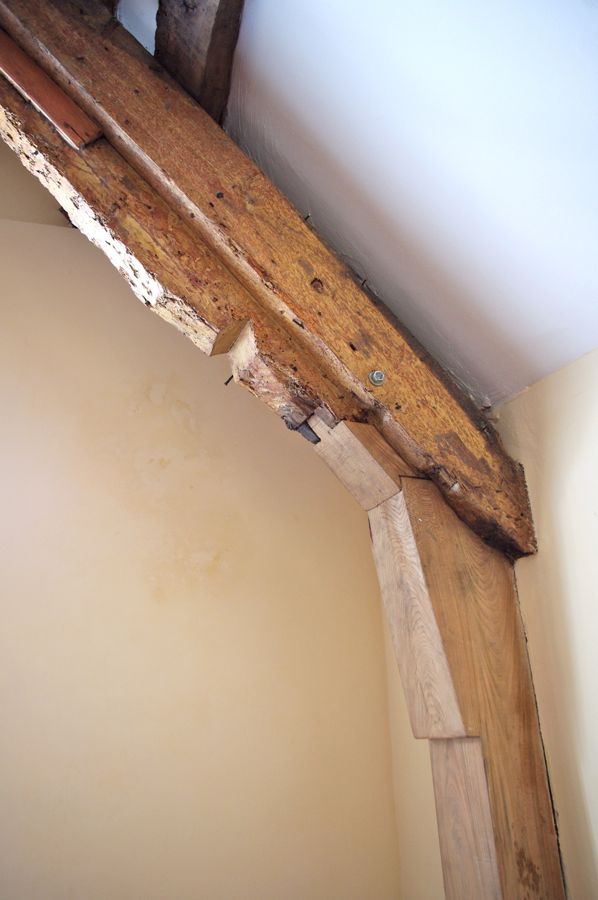
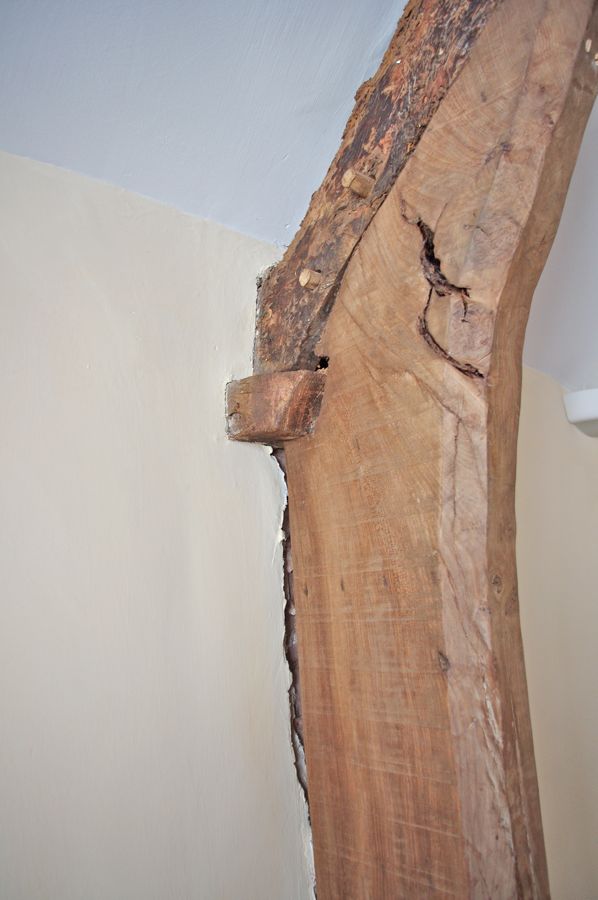
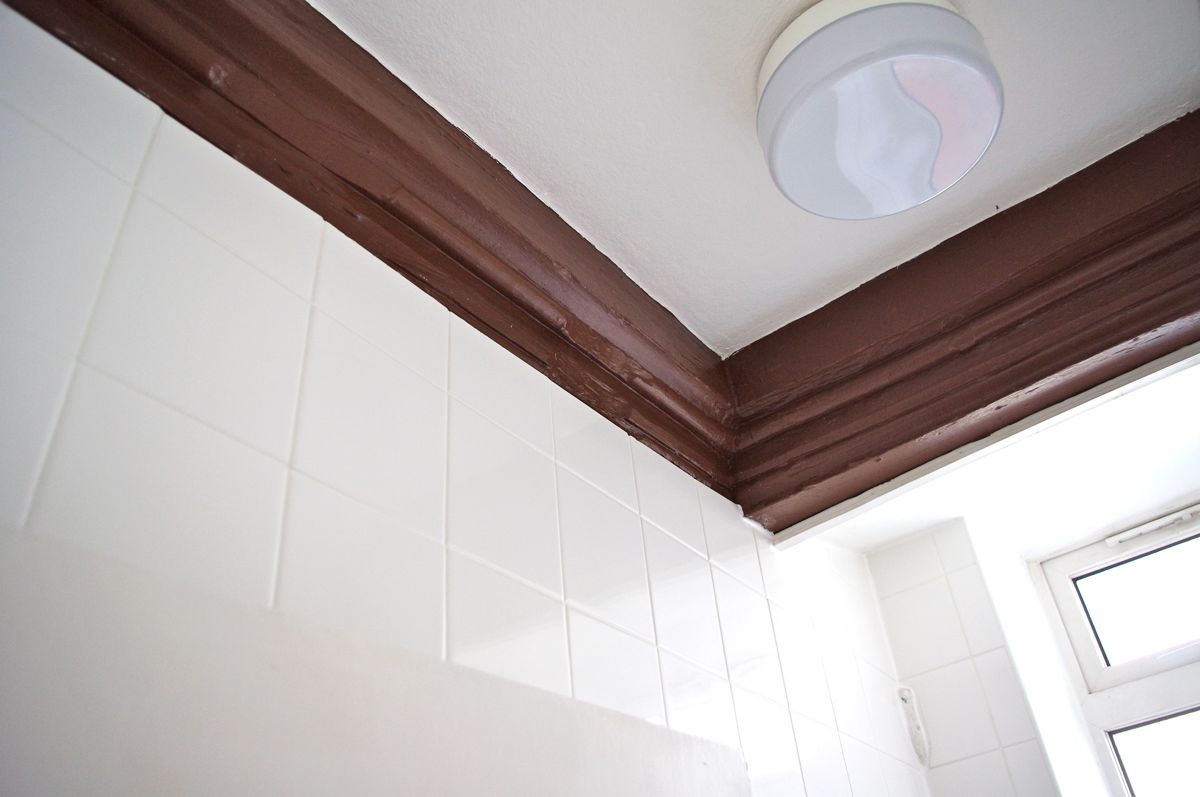
External appearance from courtyardMasonry at base – Lias limestoneAccess is via a 1950 staircase inserted below the Carver staircase above. Access to the Bailiffs’ Room is via a door on the right of the half-landing.The Bailiffs’ Room. The width is approximately 17ft (5200mm), depth a little greater. Height to collar is 11ft 2in (3400mm).South wall showing jointing of cruck with cross-member of end wallJoint to end wall timberingThe repaired west cruck, treated with red ochre in linseed oil, which was an excellent match with traces of red pigment found on the cruck at its lower part when first exposed.Principal cruck left hand view, showing motise ut for lateral timber to wallRight-hand view of IMGP1986South wall. This leans towards the south and becomes buried in the wall just before the collar.South wallSouth wall. There is a doorway, now blocked, to the left, which has resulted in alterations above. The new timbering is not quite right, as the line of the post should meet with the descending cruck frame which has been truncated by the inserted horizontal pieceEast principal cruck, showing remaining mortice and pegs, with new timber below. Beyond is a smaller timber inserted presumably as a replacement for the purlinEast wall and part of ceilingUpper parts looking eastNote the distance piece (16in) between the northern cruck and the outer wall and different ceiling joist above.North east cruck showing notch cut above joint and chanfer on inside edgeDetail of joint on east principal cruckDetail of joint from the other side to IMGP1915A passageway from the bottom of the 1950 stairway via a reeded doorcase leads to the courtyard via two shallow steps. The acees to the lavatories is through to door on the leftThe end of the passageway is flagged, but this is 4in above the floor of the lavatoriesLooking into the passageway showing flagstones and two steps up. Vertical panelling and dado to left and rightMoulded beams in the Gents lavatoryEach bay is approximately 5ft 6in squareAt the north, a beam returns and a short 16in piece is inserted between the moulded beam and the outer wallA cross beam has a modern wall under itCentral cross beam with modern wall belowJunction between the cross beam spanning the width and the two side beams. There is no evidence of any chamfer, though all the beams are deeply moulded. At fairly regular intervals the rounded moulding has been crudely pared down.No evidence of a stopNo evidence of a stopNo evidence of a stopThe Ladies’ lavatory. The central beam passes above the modern wallBeams in the LadiesJunction of cross beam with end beam on the north in the LadiesAbove the Ladies. lavatory. terminal beam to the noth passes from right to left wher it disappears . About 4ft 9 in, so probably 9in in the wallNorthern beams in the LadiesThe edge beam passing across the entrance doorway to the LadiesThe outside edge of the beam shown in IMGP1934. It is square cut and not ornamented, suggesting that it terminated the room in a wall
External Nos 34-36
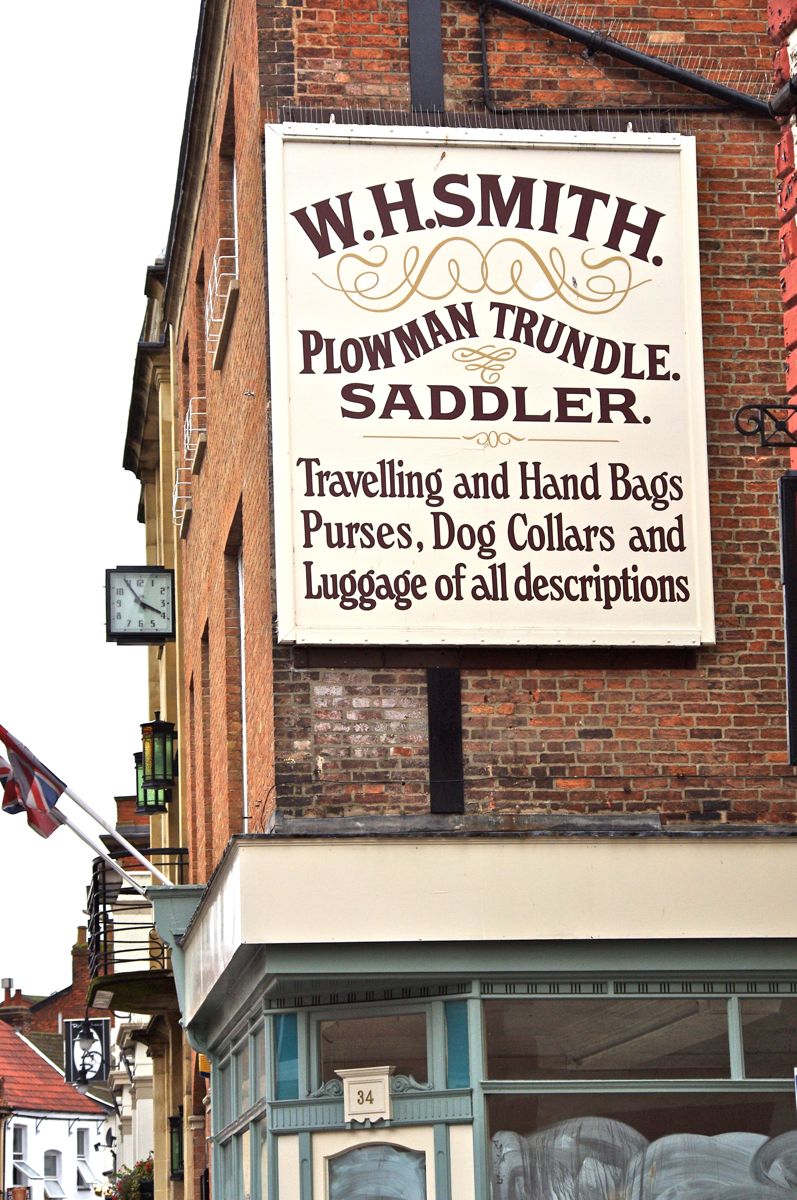
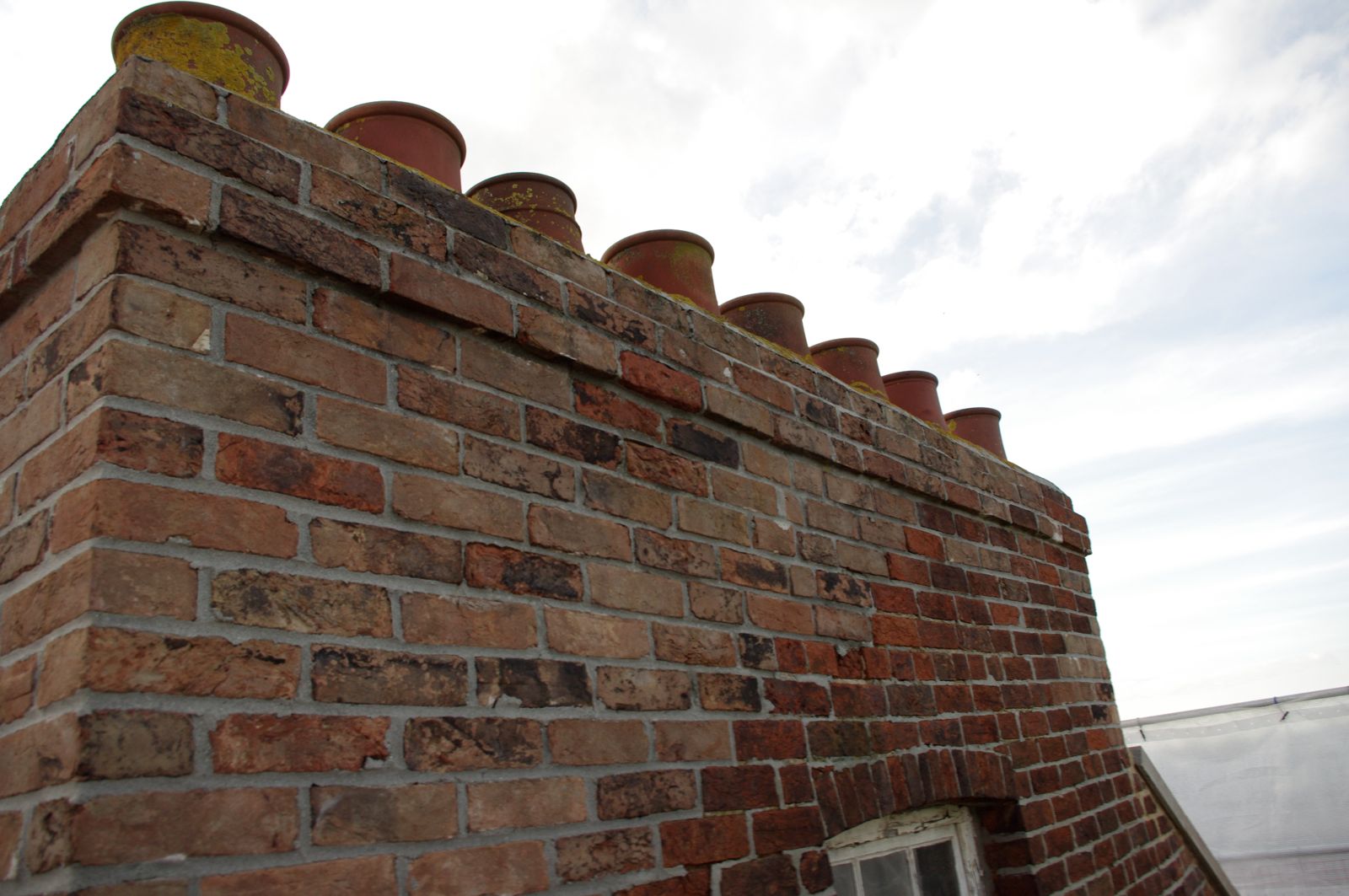
Smith painted adveritisement from an early 20th C. photographReplacement Smith sign 2010Vertical joint on east elevation suggesting refronting of buildingEight chimney pots on east stackMainly English bond in lower part of east elevationBrick east elevation English bond below, random bond aboveBrick arch over lintel extending window east elevation – kitchenEast elevation. Note change of bonding at upper brickworkRange of buildings down Mansion House Lane to rear of No 34Lias rolls at base of Mayor’s Parlour building, east elevationLooking south along Mansion House Lane, converted Stables rear of No 34. Rear elevation of No 34 dark brick, pseudo-English bond, window with thick astragalsNorth elevation of rear buildings to No 34 with Knowles extension to Town Hall in distanceRoofs to the rear of No 34. Centre foreground, Bailiffs’ Room; left, 1950 building,; ahead, former 1913 living room & shed; right corner, stable; right, former kitchen; near right, Mayor’s Parlour or Cottage. Clare Street at rear; Mansion House Lane to right beyond roofs. Courtyard in centre.Pavement lights outside No 34 over stone cellar
Internal No 34
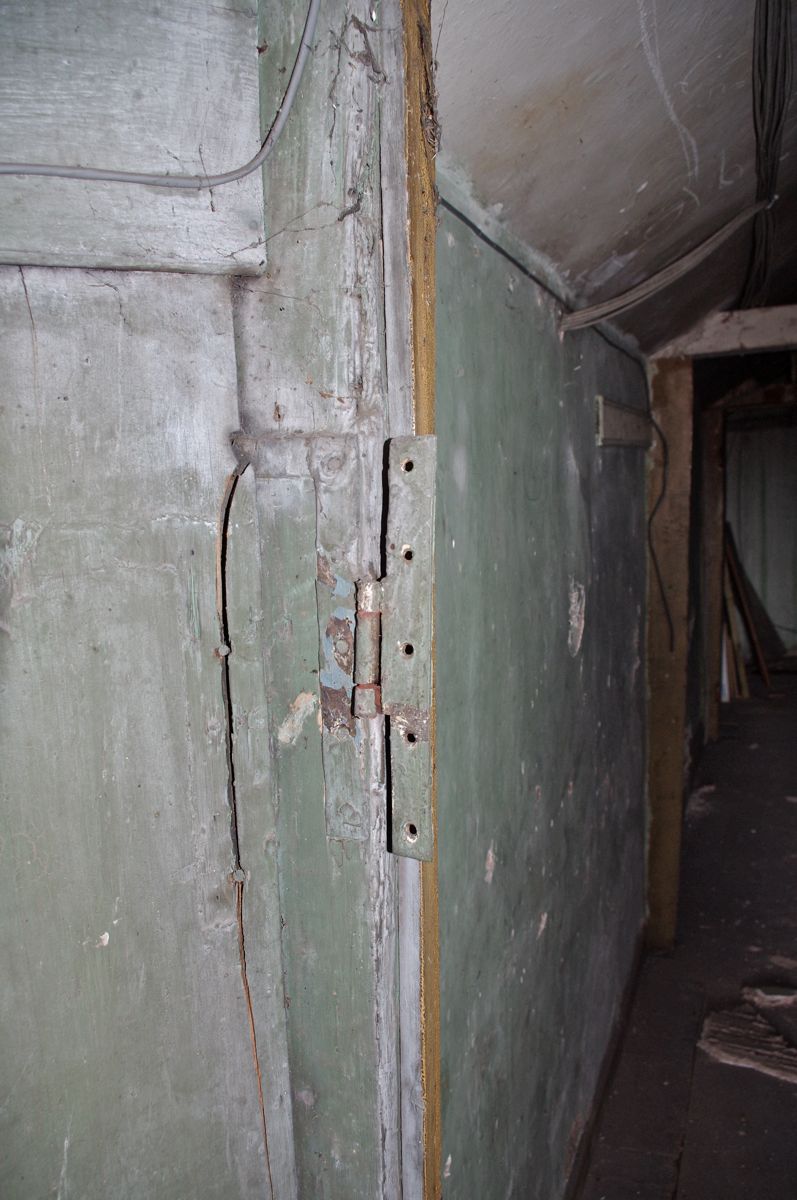
Carver staircase from second floorCarver staircase from second floorCarver staircase looking down from half-landing to atticDetail of stringerPendant on newel at first floorDresser and cupbard on first floor – Carver StaircaseCurved beaded head to door frameStairs to atticView down to roof of Bailiffs’ (or Cruck) Room from Carver stairssecond, or east, chamber, atticH-L hinge on left hand jamb, second chamber, atticwall structure; riven laths; south side second chamber, atticdetail of roof, second chamber, south-east side atticdetail of roof, second chamber south-west side, atticroof structure and walls north side, atticQueen post truss and riven laths, atticMayor’s Parlour ceiling (1)Mayor’s Parlour ceiling (2)Mayor’s Parlour ceiling (3)Town Clerk’s Office, ground floor, plaster swags below reeded cornicePlaster swags in Town’ Clerk’s office; also corniceReeded cornice in hall No 34Burgesses’ Room , first floor front. Spans most of the width of 34/36 High St.Burgesses’ Room, first floor front. At the west end of the room there is a raised platform and a partitioned section. Probable original (Carver) reeded cornice to left, and post-partioning cornice to right.Second floor window (west) at rear showing thicker astragals than at at front.Second floor window (east) showing thicer astragal than at front.Second floor window (east) astragal detail; this pane is crown glass with pronounced swirl mark and oval blemishes.
1950 building; Nos 38-40
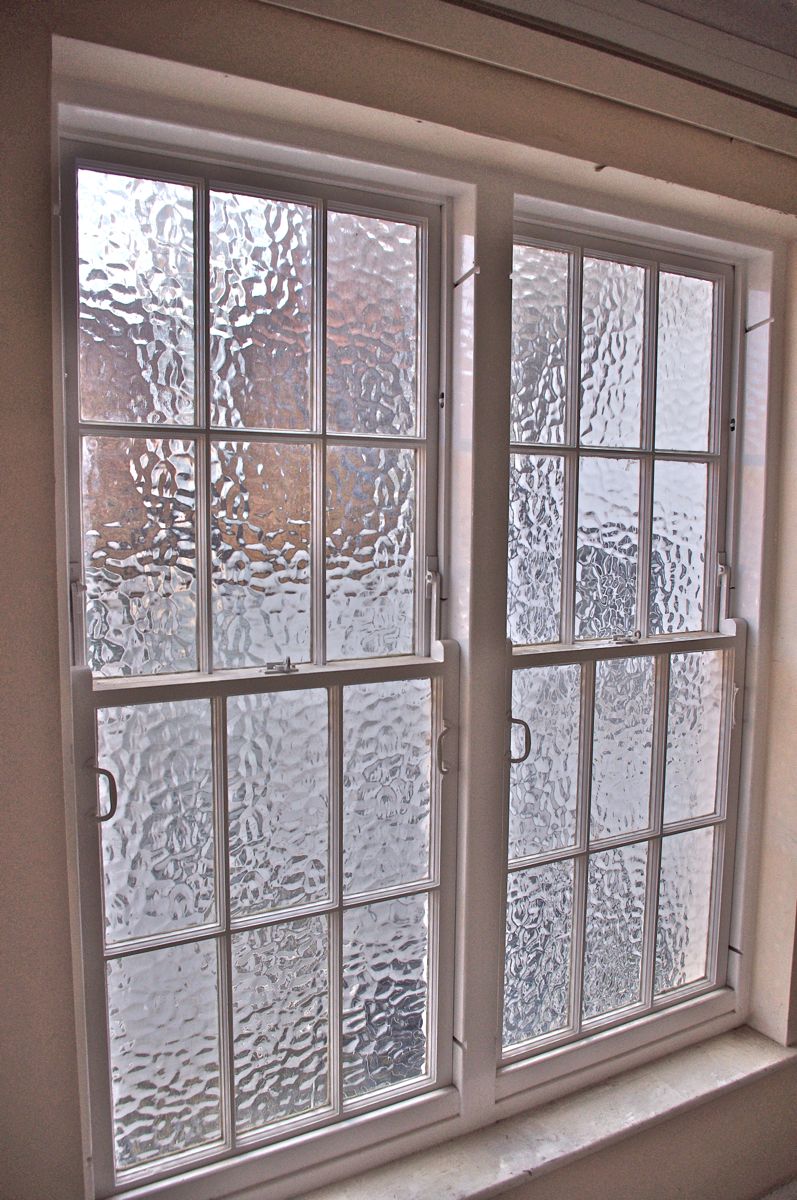
1950 metal truss front roof. East elevation is in English bond and is likely to be the original wall of 38-40 High StDetail of 1950 tilting sash first floorDouble tilting sash first floorRear building, first floor, curved ceiling